Your Trusted Partner for a Healthier Indoor Environment in Rutgers University-Livingston Campus, NJ
Mold Test America in Rutgers University-Livingston Campus, NJ
The microscopic world within our homes and businesses often contains an invisible threat: mold. More than just an unsightly nuisance, mold and compromised indoor air quality (IAQ) represent pervasive dangers that can systematically degrade property value, inflict structural damage, and critically undermine the health and well-being of occupants. In a vibrant region like Rutgers University-Livingston Campus, NJ, particularly susceptible to various environmental factors, the diligent management of these indoor environmental challenges is not merely a preference but a necessity. From specific climate patterns and architectural styles to localized weather events, Rutgers University-Livingston Campus, NJ residents and businesses frequently encounter conditions that create ideal conditions for mold and compromise air quality. At Mold Test America, we recognize that true peace of mind begins with accurate understanding. That’s why our philosophy centers on accurate mold analysis as the foundational cornerstone for every effective mold and IAQ solution. We are not just a service provider; we are your dedicated, expert partners in ensuring that your Rutgers University-Livingston Campus, NJ property offers a truly clean and safe indoor environment. Our comprehensive suite of services, delivered with steadfast dedication and scientific rigor, includes:
- Meticulous Mold Testing and Inspection: Exposing hidden threats with unparalleled accuracy.
- Effective Mold Remediation and Removal: Removing infestations effectively and safely.
- Advanced Indoor Air Quality Services: Locating and mitigating pollutants apart from mold.
- Specialized Odor Removal: Eliminating persistent, unpleasant smells.
- Probiotic Air Purification: Offering groundbreaking, natural air-balancing solutions.
- Basement and Crawl Space Waterproofing: Resolving root moisture sources within the structure.
Whether you are a property owner safeguarding your family’s health, a real estate agent navigating a high-stakes property transaction, or a building manager committed to maintaining healthy living and working spaces across Rutgers University-Livingston Campus, NJ, Mold Test America offers personalized solutions backed by certified expertise. We are devoted to restoring and maintaining healthy, comfortable indoor environments across every community in Rutgers University-Livingston Campus, NJ.
Understanding Mold
The Silent Threat to Rutgers University-Livingston Campus, NJ Properties
To effectively combat mold and the associated reduction in indoor air quality, it’s essential to possess a clear understanding of what mold is, how it thrives, and the full range of dangers it presents. Mold, a omnipresent component of our natural outdoor environment, becomes a menacing invader when it takes root within our indoor spaces.
What is Mold?
Mold is a microscopic organism, a member of the fungal kingdom, that grows in long structures called hyphae and reproduces by releasing tiny, lightweight spores into the atmosphere. While these spores are always present everywherefavorable for active growth. The ideal conditions for mold proliferation are usually:
Common Types of Mold and Their Characteristics
While countless beyond measure, a few types of mold are often identified in indoor environments, presenting distinct visual characteristics and potential impacts:
- Cladosporium: A very prevalent mold, usually appearing as dark, brown, or green velvety patches. It is often found on coated surfaces, wood, and within heating, ventilation, and air conditioning (HVAC) systems. Cladosporium is a common allergen, often exacerbating asthma and allergy symptoms.
- Penicillium: Identifiable by its hairy, blue-green appearance, often colonizing damp materials, rotted food, and insulation. Certain Penicillium species are known producers of various harmful toxins.
- Aspergillus: A ubiquitous indoor mold with different appearances (varying colors and textures). Some Aspergillus species are notable allergens, while others can produce mycotoxins. It commonly thrives in flooded buildings.
- Alternaria: Frequently found as dark velvety spots, this mold is a frequent allergen. It tends to grow best in damp areas like bathrooms or food prep spaces.
- Stachybotrys chartarum (Black Mold): This species is arguably the most well-known, often dubbed “black mold.” It presents as a greasy, blackish-green substance and typically grows on wood-based materials (like drywall, decorative paper, or wood) that have been consistently damp for extended periods. Stachybotrys chartarum is highly concerning because it can produce potent mycotoxins, toxic compounds that can have severe negative health effects. Due to its potential for serious physiological impacts, any suspected black mold growth in Rutgers University-Livingston Campus, NJ demands immediate, specialized, and highly cautious handling by certified professionals to ensure safe and safe black mold removal.

Health and Property Risks
Why is Mold Dangerous?
Exposure to mold, particularly in Rutgers University-Livingston Campus, NJ’s susceptible environment, carries a diverse of adverse health effects, influenced by an individual’s sensitivity, the specific mold species, and the intensity of exposure. Beyond health, mold poses significant threats to the structural and aesthetic integrity of your property.
- Allergic Reactions: Common symptoms include repeated sneezing, chronic runny nose, irritated or red eyes, skin rashes, and dermatitis.
- Respiratory Issues: Mold can trigger or worsen asthma attacks, cause persistent coughing, difficulty breathing, shortness of breath, and chest tightness. Chronic exposure has been connected to severe respiratory conditions like hypersensitivity pneumonitis.
- Irritation: Redness of the eyes, overall skin irritation, and throat discomfort are often reported.
- Mycotoxin Effects: Certain molds (like toxic mold) produce mycotoxins that, when absorbed, can lead to more severe and body-wide symptoms including chronic fatigue, persistent headaches, memory issues (“brain fog”), dizziness, nausea, and various forms of weakened immunity.
Vulnerable populations, including young children, the elderly, individuals with pre-existing respiratory conditions, allergies, asthma, or compromised immune systems, are particularly susceptible to mold’s negative consequences.
- Structural Deterioration: Mold actively digests organic materials (lumber, plasterboard, plaster), weakening structures over time. This can weaken walls, flooring, and even foundational elements, leading to costly and extensive repairs.
- Persistent Odors: Mold infestations emit a characteristic musty, earthy odor that can permeate floor coverings, textiles, furniture, and all soft furnishings, making the indoor environment unpleasant and difficult to remove.
- Aesthetic Degradation: Visible mold stains and blemishes on surfaces (ceilings, ceilings and floors, carpets) diminish the property’s appearance and substantially reduce its market value.
- Conducive to Pests: Damp, moldy conditions draw various pests, introducing additional complications and requiring further intervention.
Clearing the Air
Mold Myths Debunked
It’s important to differentiate common misunderstandings from scientific evidence to accurately address mold problems:
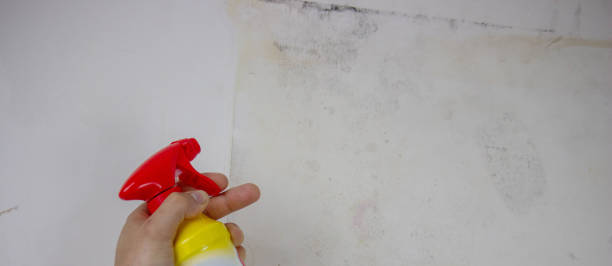
- Myth: Bleach Kills All Mold Effectively. Fact: While bleach can temporarily kill mold on smooth surfaces, it is often inefficient on porous, where mold growth penetrate deeply. Bleach can also damage materials, produce irritating fumes, and its effectiveness is compromised by the presence of organic material that mold depends on. EPA-registered, fungicides are far more powerful and less harmful.
- Myth: If You Can’t See it, It’s Not There. Fact: Mold frequently grows in hidden, out-of-sight spaces such as inside drywall, below the surface, within wall cavities, or inside HVAC ducts. A continuous musty odor is a strong indicator of hidden mold, mandating a professional inspection and testing.
- Myth: Killing Mold is Enough. Fact: Killing mold does not neutralize its irritating or toxic properties. Dead mold spores can still trigger allergic reactions and respiratory issues. Effective mold remediation regularly involves the complete removal of the mold and its spores, not just their destruction.
- Myth: A Fan Will Dry Out Moldy Areas Quickly. Fact: While fans aid in evaporation, using them in a mold-affected area without proper containment can easily spread mold spores to other, previously unaffected parts of the property, exacerbating the problem significantly.
Understanding these principles empowers Rutgers University-Livingston Campus, NJ property owners to make knowledgeable decisions and recognize the critical importance of professional intervention for all mold and IAQ challenges.
Our Mold Services In Rutgers University-Livingston Campus, NJ
At Mold Test America, our methodology is built on a foundation of data-driven accuracy and comprehensive solutions. We address every facet of a mold problem, from initial detection through full remediation and ongoing prevention.
Precision Mold Testing for Definitive Answers in Rutgers University-Livingston Campus, NJ
At Mold Test America, we firmly believe that accurate and scientifically sound mold testing is the essential starting pointthe foundation upon which all effective mold solutions are built. Without precise data regarding the levels, kind, and concentration of mold, any intervention is ultimately guesswork, potentially leading to partial remediation, recurrence, or unnecessary exposure. Our extensive testing services provide conclusive answers, empowering Rutgers University-Livingston Campus, NJ property owners with the confidence needed for well-informed decisions.
- Why Testing Is Paramount: Testing eliminates assumptions. It is crucial to:
- Confirm Presence: Determine if mold is actually present, especially when it's hidden or suspected behind surfaces.
- Identify Species: Specify the exact types of mold, which is essential for assessing potential health risks and guiding remediation protocols (e.g., distinguishing common molds from mycotoxin producers like Stachybotrys chartarum).
- Measure Exposure Levels: Quantify airborne spore concentrations to evaluate indoor air quality and potential health impacts.
- Ensure Efficacy: Crucially, post-remediation clearance testing ensures that the mold problem has been thoroughly resolved and the environment is clear upon re-occupancy.
- Our Comprehensive Mold Testing Methods: Our certified mold inspectors utilize a range of technically advanced and scientifically validated methods:
- Initial Visual Inspection (Keyword: mold inspection Rutgers University-Livingston Campus, NJ): Every testing process commences with a detailed visual inspection of the entire property within Rutgers University-Livingston Campus, NJ. This involves a systematic search for visible mold growth, signs of past or present water intrusion, water staining, musty odors, and conditions that often promote mold growth (e.g., poor ventilation, high humidity). We meticulously examine vulnerable areas including basements, attics, crawl spaces, behind appliances, and within HVAC systems.
- Air Sampling (Keyword: indoor air quality testing for mold Rutgers University-Livingston Campus, NJ): This highly effective method helps identify airborne mold spores, even if the source is hidden. We use specialized equipment (e.g., spore traps or viable bioaerosol samplers) to meticulously collect air samples from various locations inside your property and from outdoor control areas. These samples are then analyzed by accredited laboratories to determine airborne spore types and their concentrations. This data is essential for understanding the overall indoor air quality profile and detecting hidden mold.
- Surface Sampling: When visible or suspicious growth is detected on a surface, we collect targeted samples using tape lifts or swabs. These samples are analyzed by a laboratory to precisely identify the mold species and confirm if the mold is actively growing on that particular surface. This guides targeted cleaning protocols.
- Bulk Sampling: For deeper analysis or when mold has penetrated extensively into building materials, bulk samples (small pieces of the affected material) may be collected. This provides in-depth information about the mold's growth characteristics and colonization.
- Moisture Assessment (Keyword: moisture mapping Rutgers University-Livingston Campus, NJ): Crucial for finding the root cause. We use non-invasive moisture meters (capacitance type) to detect moisture levels behind surfaces without damage, followed by pin-type penetrative meters where appropriate. This allows us to meticulously "map" moisture migration patterns and pinpoint the exact source of water causing the mold.
- Environmental Data Collection: Temperature and humidity readings are recorded throughout the property. This data helps us understand the environmental conditions conducive to mold growth in Rutgers University-Livingston Campus, NJ and inform preventative strategies.
- Independent Laboratory Analysis: All collected samples are instantly dispatched to independent, third-party, AIHA-accredited laboratories. These external labs provide unbiased, scientifically rigorous results, ensuring the reliability and dependability of our findings. This critical step provides objective data that forms the basis of all subsequent recommendations.
- Detailed Mold Testing Report (Keyword: mold assessment report Rutgers University-Livingston Campus, NJ): Upon completion of laboratory analysis, you receive a comprehensive, user-friendly report from Mold Test America. This report includes: thorough findings from the visual inspection, all moisture readings, visual documentation, official laboratory results (detailing mold types and concentrations), and actionable, actionable recommendations for remediation and prevention.
- Post-Remediation Clearance Testing (Keyword: mold clearance testing Rutgers University-Livingston Campus, NJ): This is a crucial step to confirm successful remediation. After mold removal, we (or an independent third party) conduct additional testing to verify that mold levels have returned to normal, acceptable background levels, and that the indoor environment is certainly safe for re-occupancy. This provides important peace of mind and is often a mandatory requirement for insurance coverage or real estate transactions.
Effective Mold Remediation and Removal in Rutgers University-Livingston Campus, NJ
Once our precision mold testing has provided a conclusive diagnosis, Mold Test America transitions from results to decisive action through our effective mold remediation and removal services. Our approach is structured to efficiently and thoroughly eliminate mold, restoring your propertys health.
- The Role of Professional Remediation: Mold remediation necessitates specialized knowledge, experience, and adherence to strict safety protocols. Unlike superficial cleaning, professional remediation targets the thoroughgoing removal of mold and its spores. DIY attempts often fail to address the root problem, can propagate spores, and expose individuals to potential health hazards.
- Our Proven 7-Step Remediation Process: Designed for thorough and lasting and enduring outcomes:
- Property Evaluation (Post-Testing): We examine the detailed mold testing results to verify the scope of activity and formulate a precise plan, identifying affected areas and access points.
- Personalized Remediation Plan: A unique, tailored plan is designed based on the mold type, extent of contamination, affected materials, and your Rutgers University-Livingston Campus, NJ propertys individual structure. This plan prioritizes occupant safety and effective mold removal.
- Isolation (Keyword: mold remediation process Rutgers University-Livingston Campus, NJ): We create industrial-grade containment zones using polyethylene sheeting, building physical barriers around affected areas. Powerful negative air pressure machines and HEPA-filtered air scrubbers are used to prevent any mold spores from becoming airborne and contaminating to unaffected areas during the remediation process.
- Air Filtration: Throughout the remediation, these HEPA-filtered air scrubbers consistently purify the air, removing airborne mold spores, dust, and other contaminants, creating a safer work environment and improving overall indoor air quality.
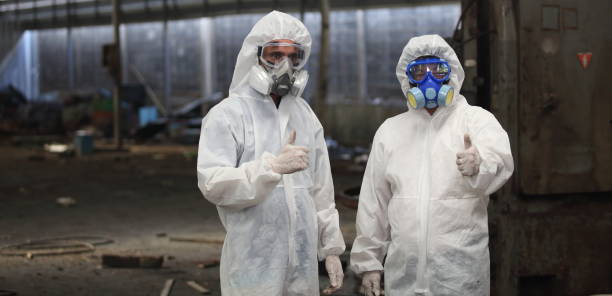
- Safe Mold Removal and Cleaning (Keyword: mold removal services Rutgers University-Livingston Campus, NJ): Our certified technicians, using full personal protective equipment (PPE), meticulously remove all mold-infested materials. Porous materials like drywall, insulation, and carpeting that cannot be effectively decontaminated are safely removed and disposed of. Non-porous surfaces are treated, cleaned, and cleaned using EPA-approved antimicrobial solutions. Special attention is given to black mold removal in Rutgers University-Livingston Campus, NJ, following enhanced safety protocols due to the potential presence of mycotoxins.
- Moisture Removal and Drying (Keyword: mold prevention Rutgers University-Livingston Campus, NJ): After all mold is physically removed, the affected areas are thoroughly dried and dehumidified using industrial-grade air movers and commercial dehumidifiers. Moisture levels in all building materials are tracked to ensure they meet industry dry standards, eliminating the conditions necessary for mold regrowth.
- Final Restoration and Cleanup: Once completely dry, the areas are cleared of any remaining debris. We then carry out necessary restoration work, which can include minor repairs or coordinating with trusted partners for major reconstruction, returning your Rutgers University-Livingston Campus, NJ property to its pre-loss condition, mold-free and ready for re-occupancy after final clearance testing.
Long-Term Mold Prevention and Maintenance in Rutgers University-Livingston Campus, NJ
At Mold Test America, our focus extends well beyond remediation. We equip Rutgers University-Livingston Campus, NJ property owners with forward-thinking approaches and essential measures to thoroughly eliminate mold recurrence, ensuring a lasting healthy indoor environment.
- Integrated Moisture Management: Our approach carefully assesses your property's entire water management framework. This is not merely about patching a leak; it's a holistic examination of how water interacts with your structure. We inspect exterior grading, check gutter functionality, inspect downspout efficacy, and examine the overall structural integrity of your Rutgers University-Livingston Campus, NJ property, all to ensure that water is efficiently channeled away from your foundation.
- Advanced Ventilation Solutions: Proper air circulation is a crucial, yet frequently underestimated, element of mold prevention. We meticulously evaluate existing ventilation systems in often moisture-prone areas (bathrooms, kitchens, laundry rooms, basements, and attics) to confirm they are properly removing moist air. Our recommendations may include installing high-efficiency exhaust fans, introducing passive ventilation, or optimizing existing HVAC systems to ensure proper ventilation, thereby significantly reducing humidity and preventing condensation.
- Targeted Dehumidification Systems: For properties in Rutgers University-Livingston Campus, NJ that deal with chronically elevated indoor humidity, we offer professional-grade dehumidification solutions. These outperform standard retail units, encompassing whole-home systems built into your HVAC or specialized standalone units for basements and crawl spaces, engineered to ensure optimal indoor humidity levels (ideally 30-50%).
- Mold-Resistant Building Materials: When repairs are needed post-remediation, we guide our clients in selecting and implementing state-of-the-art mold-resistant building materials. This includes advanced drywall, paints with integrated mold inhibitors, cellulose-free insulation, and moisture-resistant flooring options. This intentional material choice greatly minimizes the potential for future mold colonization.
- Ongoing Monitoring and Maintenance Plans: For clients seeking long-term peace of mind, we offer tailored maintenance plans. These can include periodic moisture checks, ongoing humidity monitoring, re-inspection of high-risk areas, and early adjustments to waterproofing or ventilation systems. This preemptive service ensures that initial issues are recognized and skillfully addressed before they can escalate into significant mold problems, offering lasting protection for your investment in Rutgers University-Livingston Campus, NJ.
Your Partner in Health and Property Protection
Why Choose Mold Test America in Rutgers University-Livingston Campus, NJ?
When faced with mold and air quality concerns in Rutgers University-Livingston Campus, NJ, selecting the right partner is essential. The unique climate of our state, with its changing humidity and exposure to certain environmental factors, amplifies these challenges, demanding a service provider with specialized expertise and a methodical approach. Mold Test America stands apart and unrivaled as your committed ally in safeguarding your property and, more fundamentally, your health.
- Testing-First Philosophy and Uncompromising Expertise: Our main advantage. We lead with comprehensive, evidence-based mold testing and inspection. This scientific starting point ensures we precisely diagnose the problemits species, severity, and causeavoiding guesswork and forming the bedrock of an effective solution. All our technicians are IICRC-certified and extensively trained in advanced mycology and building pathology, ensuring adherence to the most stringent EPA guidelines and industry best practices.
- Deep Local Understanding of Rutgers University-Livingston Campus, NJ: Our rich experience in Rutgers University-Livingston Campus, NJ provides us with an intrinsic understanding of local climatic conditions, frequent building vulnerabilities, and particular environmental factors that influence mold growth patterns and indoor air quality challenges within the state. This localized knowledge allows us to develop extremely effective, truly tailored solutions for your Rutgers University-Livingston Campus, NJ property.
- Cutting-Edge Technology and Methodological Advantage: We consistently invest in the most advanced diagnostic and remediation equipment available. This includes top-of-the-line thermal imaging cameras, precision non-invasive and penetrative moisture meters, sophisticated air sampling tools, medical-grade HEPA air scrubbers, industrial-strength dehumidifiers, and revolutionary probiotic air purification systems. This technological superiority ensures reliable diagnosis, thorough remediation, and ultimately, superior, long-lasting results.
- Eco-Friendly and Safe Solutions: Our unwavering commitment to health extends to our methodology. We emphasize plant-based, EPA-registered solutions that are extremely effective against mold and other contaminants while remaining safe for families, pets, and the environment. This means no strong chemicals, minimal disruption, and a focus on eco-friendly indoor health for Rutgers University-Livingston Campus, NJ residents.
- Transparent Processes and Unmatched Trust: We prioritize absolute transparency. From your initial consultation, you will receive clear explanations of our findings, scientifically-backed recommendations, detailed reports, and itemized quotes with complete clarity. Our goal is to empower you with complete understanding and confidence in every step we take.
- Rapid and Emergency Response: Understanding the urgency of mold and moisture issues, particularly in Rutgers University-Livingston Campus, NJ, we deliver prompt service. Our rapid response capabilities minimize further damage and speed up your return to a healthy environment.
Who We Serve in Rutgers University-Livingston Campus, NJ
Mold Test America is pleased to protect the health and investments of a diverse clientele across all of Rutgers University-Livingston Campus, NJ. Our personalized services meet the specific needs of various property owners and professionals.
- Homeowners (Keyword: mold solutions for homeowners Rutgers University-Livingston Campus, NJ): Your home is your safe haven, and its environment directly impacts your familys health. We provide detailed inspections, reliable testing, non-toxic mold removal, and preventative solutions to ensure your living space is free from harmful contaminants, preserving both health and property value.
- Realtors and Real Estate Professionals (Keyword: mold testing for real estate Rutgers University-Livingston Campus, NJ): In Rutgers University-Livingston Campus, NJ’s cutthroat property market, mold can be a deal-breaker. Our rapid and reliable mold testing and inspection services ensure hassle-free transactions. We deliver clear data and clear reports that build buyer confidence, prevent unforeseen delays, and meet reporting requirements, protecting both buyers and vendors.
- Property Managers (Keyword: mold management for commercial properties Rutgers University-Livingston Campus, NJ): Managing multiple units across Rutgers University-Livingston Campus, NJ demands proactive environmental vigilance. Our services, from frequent mold assessments to timely remediation and indoor air quality improvements, ensure tenant health and satisfaction, maintain compliance with housing codes, lower liability risks, and shield property assets from long-term damage.
- Home Inspectors: We work with home inspectors in Rutgers University-Livingston Campus, NJ, offering specialized mold testing and comprehensive IAQ assessments that support their services, providing extensive environmental evaluations for their clients.
- Healthcare Professionals and Environmental Specialists: We work closely with medical and environmental professionals, providing specialized testing and remediation solutions that enhance their expertise in addressing difficult indoor environmental health concerns.
- Schools and Businesses: We help Rutgers University-Livingston Campus, NJ educational institutions create healthier learning environments and businesses create safe, productive workplaces by eliminating mold, odors, and improving overall indoor air quality.
Hear It From Our Valued Clients in Rutgers University-Livingston Campus, NJ
At Mold Test America, although our certifications and advanced technologies demonstrate our capabilities, the true testament to our dedication and effectiveness resides in the valued feedback from our satisfied clients across Rutgers University-Livingston Campus, NJ. We are incredibly proud of the trust we’ve built and the tangible health benefits and peace of mind we deliver to property owners grappling with indoor environmental challenges. Heres what a few of our clients have shared about their experience with our expert team:




These feedback reflect our unwavering commitment to providing professional, science-backed, and service-oriented mold and IAQ solutions. We believe every Rutgers University-Livingston Campus, NJ property owner deserves an trusted partner who prioritizes their health, security, and investment with integrity and unparalleled precision.
Your Path to a Healthier Indoor Environment
Contact Mold Test America Today!
The presence of mold, lingering odors, or deteriorated indoor air quality in your Rutgers University-Livingston Campus, NJ home or business is not a problem that will simply resolve itself on its own. In fact, procrastinating action not only exacerbates the issue, leading to more extensive and costly property damage, but also increases and escalates potential health risks for all occupants. Your health, your family’s well-being, the productivity of your employees, and the long-term condition of your Rutgers University-Livingston Campus, NJ property are far too important to risk. Taking prompt, decisive, and scientifically-informed action is definitively the most responsible, effective, and ultimately cost-efficient solution. Do not allow mold or poor indoor air quality to continue undermining your health, diminishing your property’s value, or compromising your peace of mind. Take the necessary step towards cultivating a safer, healthier indoor environment in your Rutgers University-Livingston Campus, NJ property today.
